Get Involved
From attending events to volunteering and donating, there are plenty of ways to get involved in our mission as a second chance advocate.
upcoming events
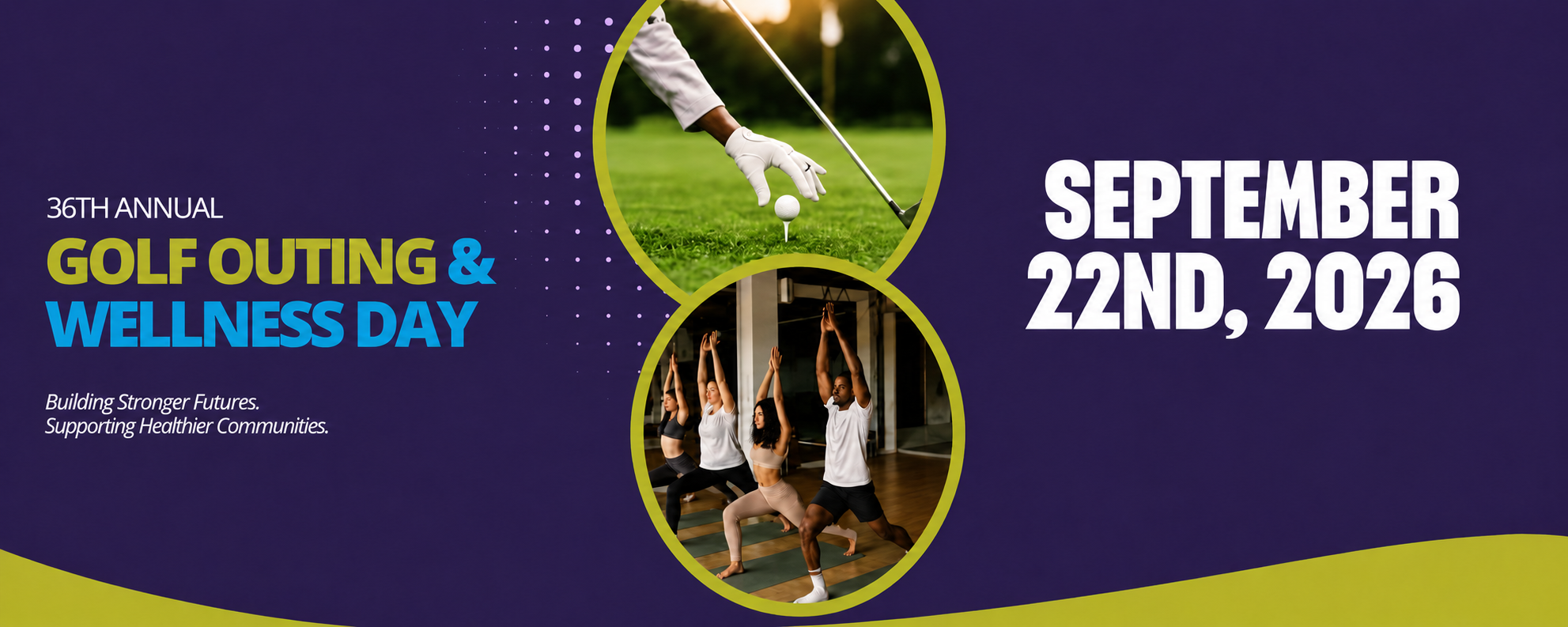
36th Annual Golf Outing & Wellness Day
Join Safer Foundation for a day of connection, wellness, and impact at our annual Golf Outing & Wellness Day. Whether you're hitting the green, participating in wellness activities, or joining us for networking and fellowship, your participation helps create opportunities for individuals rebuilding their lives after incarceration. Enjoy a day filled with golf, health and wellness experiences, meaningful community engagement, and inspiring stories of second chances. Proceeds support Safer Foundation's workforce development, education, and supportive services that help individuals achieve lasting success.
September 22, 2026 | Ruffle Feathers Golf Club
Get Tickets Now!Donate Your Time
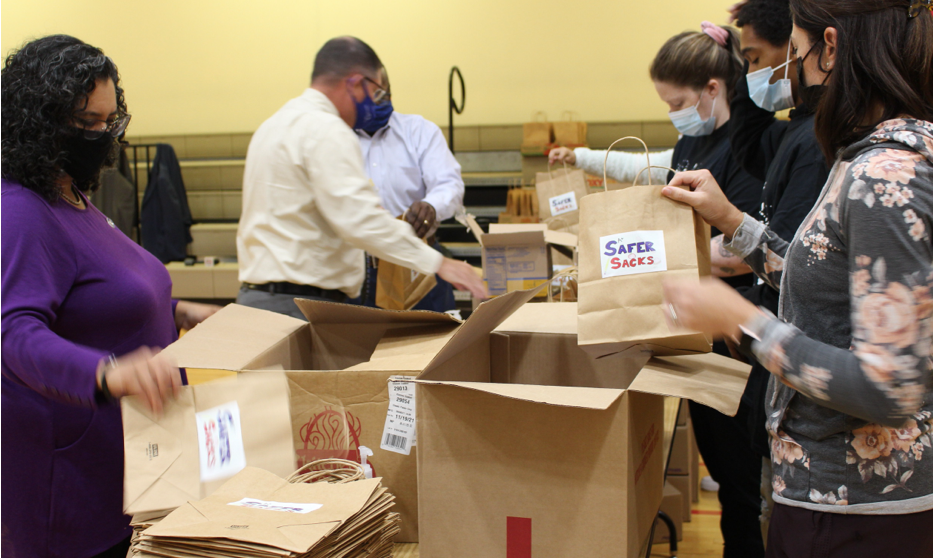
Each of our locations throughout Illinois and Eastern Iowa accepts the help of volunteer charity work and support. Volunteers are eligible to participate in charity work spanning:
- Student + educational involvement
- Job coaching + assistance
- Open denominational support
- Financial + monetary management seminars
- Mental health + wellness support
To learn more and become a volunteer, please contact your nearest Safer Foundation location.
volunteer requirements
donate clothing
Professional clothing donations are key in helping our clients look the part in their search for gainful employment. We partner with Men’s Warehouse for clothes donations during the brand’s National Suit Drive, but individuals are always encouraged to donate both men’s suits and women’s professional clothing as well.
request to donateadditional ways to give
In-Kind Contributions
Planned Giving
Prefer to donate by mail?
Send monetary donations to:
ICO: Safer Foundation
571 W. Jackson Blvd, Chicago, IL 60661
